
Your Vacation Home Anywhere: Why More Travelers Are Rethinking Second-Home Ownership
There’s a reason people dream about owning a second home. Not because it’s usually the smartest investment - in many cases, it isn’t - but because of what a second home represents emotionally. A vineyard cottage in Napa, a beach house in Malibu, a mountain cabin in Montana, a farmhouse in Tuscany… these homes symbolize something deeper than real estate. They represent restoration, belonging, ritual, identity, and the feeling of having a place in the world that is truly yours.

I was reminded of this recently while talking with a successful entrepreneur who told me he had considered buying a home in Wine Country for years. He loved the pace of life, the vineyards, the restaurants, the beauty of the landscape, and the idea of having his own place there. But every time he got close to purchasing, he found himself pulling back. Eventually, he realized why: he didn’t actually want to spend the next twenty years vacationing in the same place. He loved the idea of a second home, but he also loved discovering new places, new communities, and new rhythms of life. Owning a second home, he realized, would subtly anchor him to one destination and shape his future travel around it.
That conversation stuck with me because it revealed something important: most people are not actually chasing ownership itself. They are chasing the feeling a second home creates.
Research backs this up. According to the National Association of Realtors, the primary motivations behind vacation-home purchases are lifestyle enhancement, creating a family retreat, future retirement planning, emotional attachment to a destination, and the desire to build memories with loved ones. Not simply financial return. National Association of Realtors Vacation Home Survey Researchers studying second-home ownership have also linked these homes to psychological restoration and emotional well-being. One published review in the National Library of Medicine described second homes as places associated with “physical and psychological restoration.” National Library of Medicine Study on Second Homes & Well-Being. That makes sense to us. A great second home isn’t just an asset. It’s a version of life people are trying to create. People imagine slow mornings with coffee overlooking vineyards, long dinners with family, afternoons by the pool, favorite local restaurants where staff know their name, and the ability to temporarily step into a calmer, more grounded version of themselves. They imagine becoming part of a community instead of simply visiting it.
But second homes also come with enormous friction, something people rarely talk about openly. Even for wealthy buyers, the carrying costs can be staggering once you factor in property taxes, insurance, maintenance, landscaping, utilities, furnishing, repairs, HOA dues, staffing, and ongoing capital improvements. And then there’s the psychological cost: once you own a second home, you often begin to feel obligated to use it. “We should go to the house.” “It feels wasteful not to.” “The property has been sitting empty.” Over time, what originally felt liberating can slowly become routine.
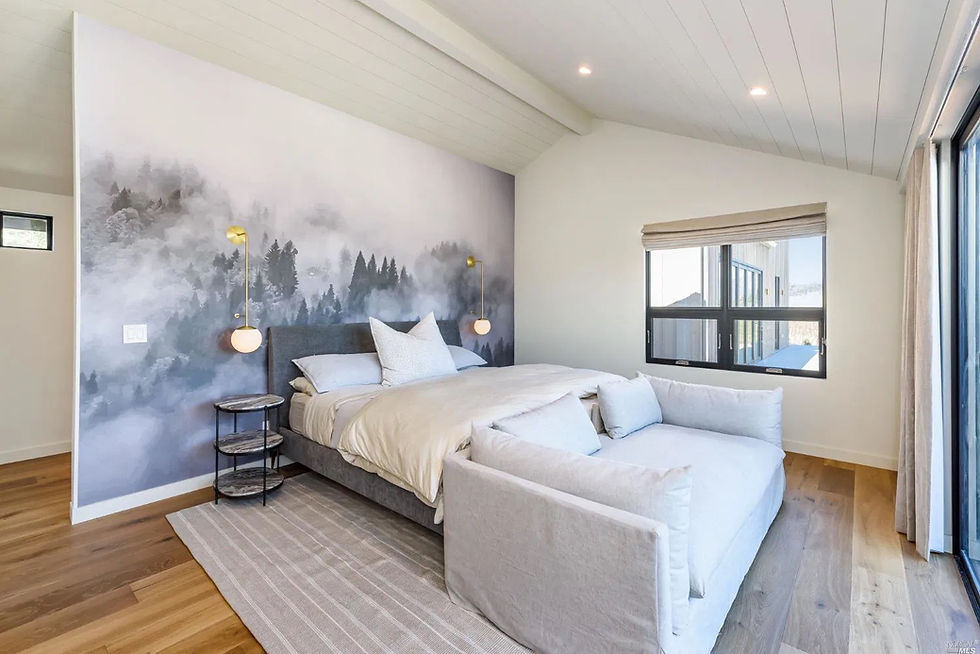
This is especially true for what we’d call the Anywhere Class, a growing group of people whose lives are increasingly untethered from one location. Remote work, entrepreneurship, flexible schedules, and evolving definitions of wealth have created a new kind of traveler. These individuals may have the means to own multiple homes, but many are beginning to question whether permanence is actually the luxury they want. They value freedom over accumulation, flexibility over obligation, and experiences over ownership. They want immersion, not just escape. They want to spend a month in Wine Country, then perhaps a season in Montana, a few weeks in Charleston, or a winter abroad all without feeling tied to one place simply because they bought property there.
That idea sits at the heart of what we’re building at The Joes.
We believe many people don’t truly want a second home. They want the emotional benefits of one: comfort, familiarity, belonging, restoration, and a slower, more immersive style of travel. But they don’t necessarily want to be anchored to a single destination forever. That’s where 30+ night stays fundamentally change the equation.
When you stay somewhere for a month or longer, something very different happens compared to traditional travel. You stop moving through a place and begin living within it. You develop routines. You discover your favorite coffee shop. You learn the hiking trails. You cook. You grocery shop. You meet locals. You settle into the rhythm of daily life. The experience begins to resemble what second-home owners love most. Except now, you can experience that feeling anywhere.
Instead of owning one second home, you can experience dozens over the course of your life.
You can spend spring in Wine Country, summer in the mountains, fall in a historic coastal town, and winter somewhere warm. You can follow weather, curiosity, family, wellness, creativity, or simply instinct. And economically, the math often becomes surprisingly compelling. Second homes are notoriously inefficient assets because they are frequently underutilized while still carrying substantial fixed costs year-round. Even homes that appreciate significantly can consume enormous amounts of capital and attention over time. By contrast, fully furnished monthly rentals allow travelers to preserve flexibility, avoid illiquidity, eliminate maintenance responsibility, and adapt dynamically as their interests and lifestyles evolve.
For many people, particularly those in the Anywhere Class, this increasingly feels like a smarter form of luxury. Not owning more, but experiencing more.
Historically, luxury travel often centered around exclusivity, permanence, and accumulation: bigger homes, more homes, more possessions, more rootedness. But we believe a different definition of luxury is emerging. Freedom. Flexibility. Time. Depth of experience. Connection. The ability to wake up somewhere beautiful and feel at home there, without needing to own it forever.
That’s the feeling we want The Joes to create.
Not transactional travel. Not generic vacation rentals. Not hotel living.
Something closer to this: what if the world could become your second home?
As our portfolio continues to grow nationally (and eventually globally) that’s exactly what we hope to offer: the emotional richness of second-home living combined with the freedom to keep exploring. Because maybe the best second home isn’t just one place.
Maybe it’s the ability to feel at home anywhere.
Honestly, would you return to the same place every year, or would you keep exploring somewhere new? We want to hear. Tell us in the comments.


Comments